2016-2020
Building a mobile reading platform – and learning why aspiration alone doesn’t create habit
Role
Founder & Product Designer (also Product Head), leading the design and growth over a four-year period, working with a cross-functional team of up to 10 people at peak (co-founder, engineers, writers, copywriter, and interns).
I owned the product end-to-end; including vision, UX/UI, content strategy, pricing, and growth experiments – while working directly with early users, writers, advisors, and investors to test distribution and habit formation in Tier 2/3 India. The product did not scale as expected and was eventually shut down.
Product
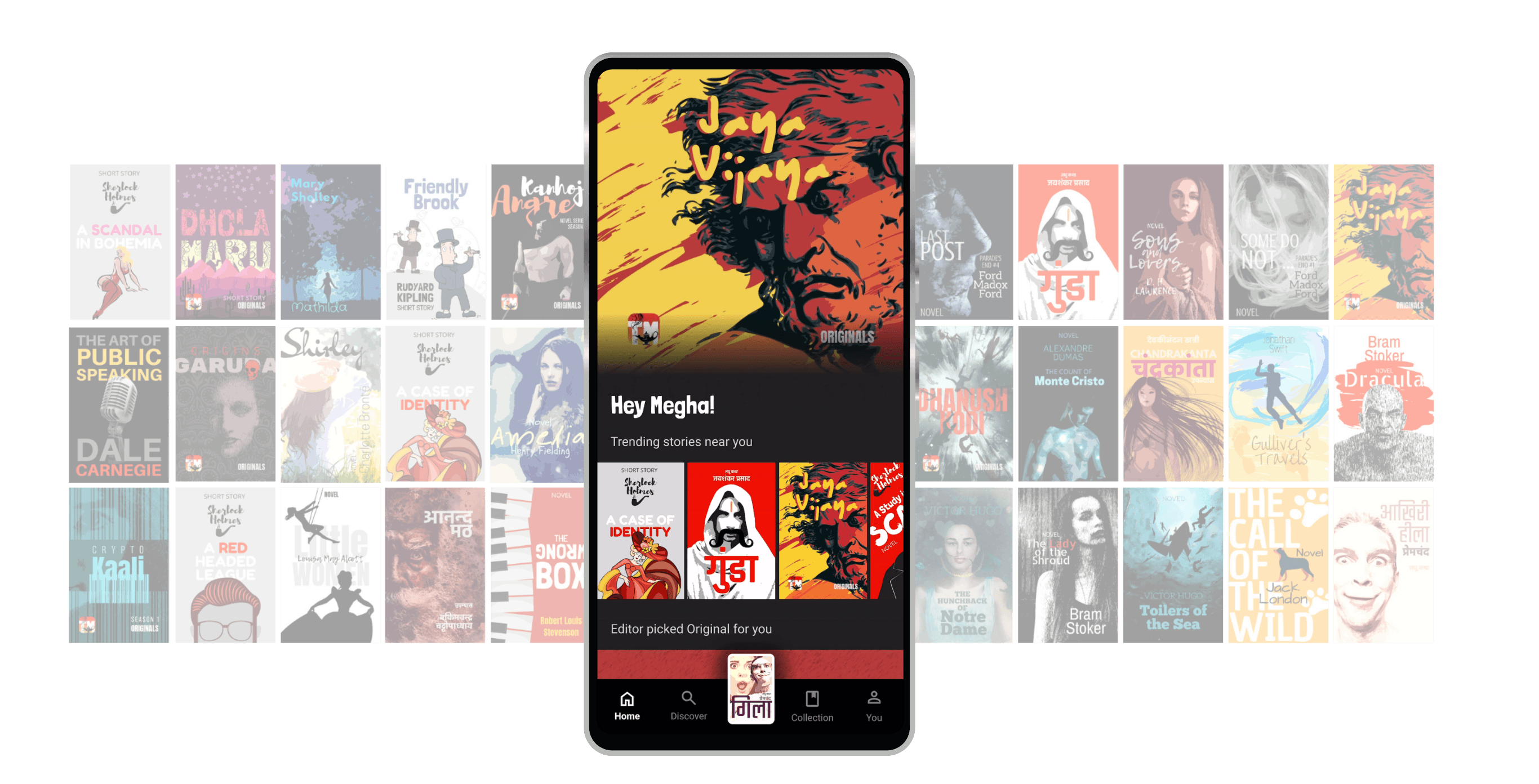
TaccoMacco – a mobile reading platform designed around the aspirations, constraints, and content needs of young readers in Tier 2 and Tier 3 India.
Outcome
Built and launched a subscription-based reading platform
Achieved early engagement and paying users
Failed to scale sustainably due to distribution and retention constraints
| This case study focuses on the product bets, tradeoffs, and lessons from building – and failing – a consumer startup.
Context: Aspiration existed, habit didn’t
In Tier 2 and Tier 3 India (2014), reading was aspirational but not habitual.
Users wanted access to relatable stories and self-improvement content, but their environment imposed real constraints:
Mobile-only usage
Fragmented attention spans
Limited discovery channels
High sensitivity to effort and friction
Most reading platforms assumed users would seek out content and return on their own. For this audience, that assumption broke down quickly.
TaccoMacco aimed to bridge this gap by making reading feel:
Accessible
Emotionally relatable
Easy to start, even in short bursts
What we underestimated wasn’t motivation. It was how difficult habit formation is without strong distribution and reinforcement loops.
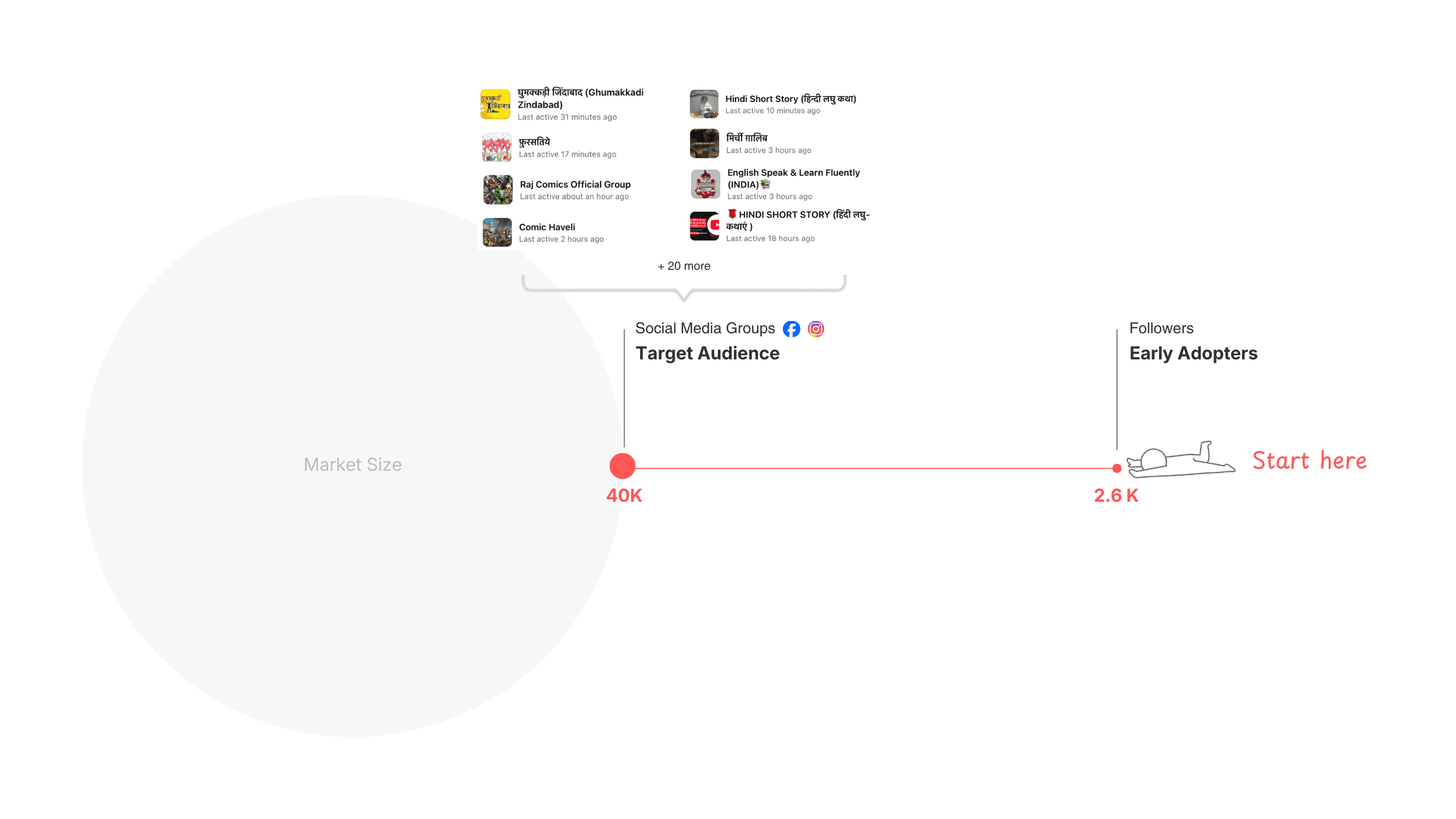
| Our UX assumptions came from embedding ourselves with a small, real set of early users – not from market abstractions.
The core bet
We believed that the biggest barrier to reading for young users in Tier 2 and Tier 3 India wasn’t interest – it was friction. Specifically, friction around:
Starting a reading session
Paying upfront for content
Discovering something that felt aspirational, not dull
This led to three core product bets:
Bite-sized, mobile-first reading would help users start reading without needing long, uninterrupted time.
Pay-when-you-read pricing would reduce commitment anxiety in a price-sensitive, experimentation-driven audience.
Strong visual identity and cover design would make discovery feel aspirational, not academic or intimidating.
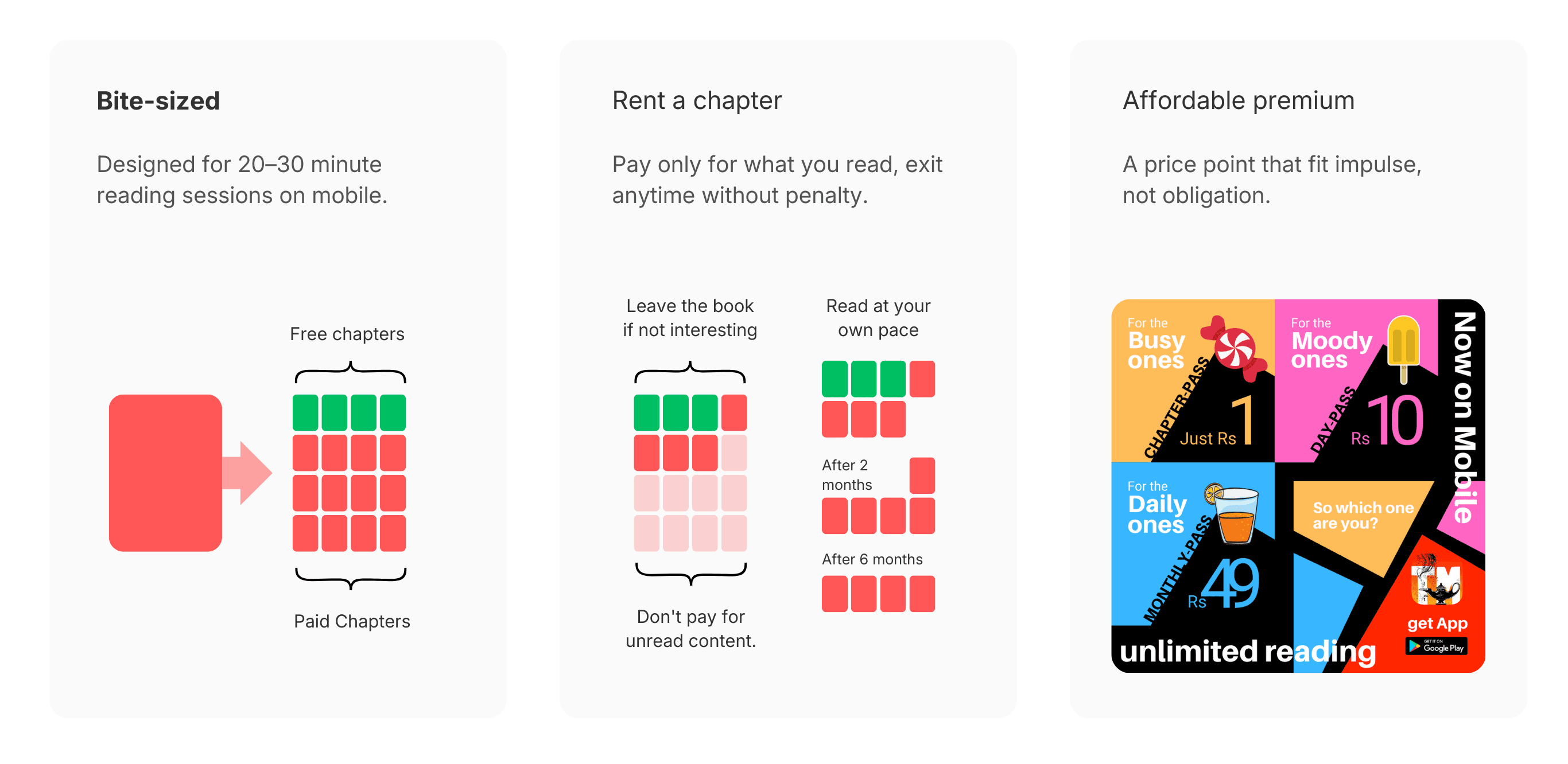
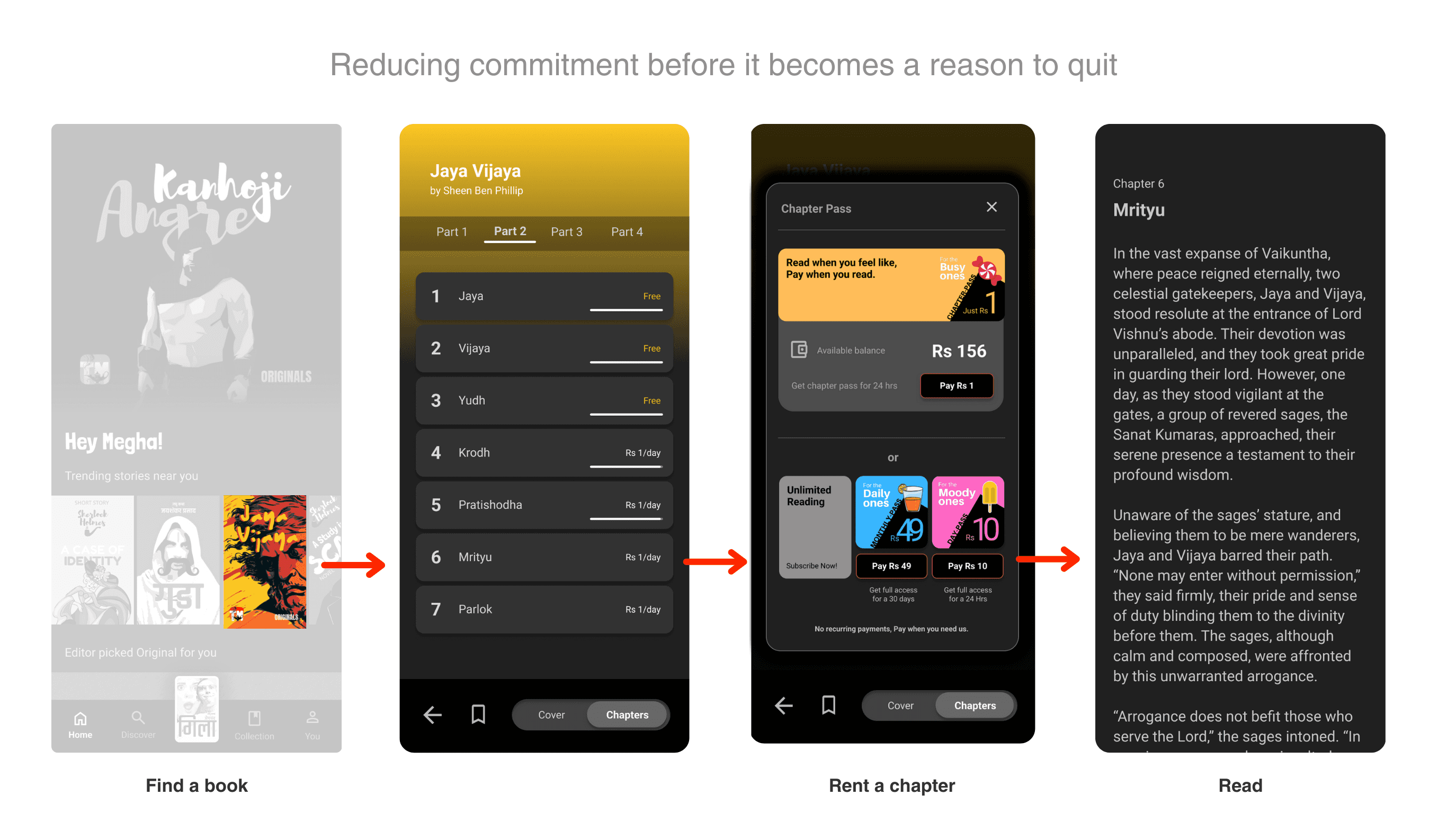

These bets optimized for starting, not finishing – knowing that habit had to earn its place over time.
| The real constraint wasn’t motivation – it was low tolerance for friction, cost, and visual dullness.
That constraint guided every design decision in the early product.
What worked
Early signals validated the underlying user insight.
Readers engaged deeply with aspirational and emotionally familiar stories
Many users completed multiple chapters in a single session
A subset of users converted to paid reading through the pay-when-you-read model
The desire to read was real, and the product experience resonated.
From a UX perspective, the platform behaved exactly as intended.
What broke
Early engagement validated the product idea – but growth stalled quickly. The failure wasn’t in reading experience, content quality, or visual appeal.
It was systemic.
Three constraints surfaced repeatedly:
Distribution depended on paid acquisition:
Organic discovery was weak, and CAC rose quickly as we tried to scale.Retention required constant content production
Without a steady pipeline of new stories, engagement decayed faster than expected.Habit formation was fragile without external triggers
Aspiration alone wasn’t enough to create a reliable reading loop.
| The product worked. The system around it didn’t.
Without strong distribution loops or low-cost reinforcement mechanisms, scaling became increasingly expensive and unsustainable.
Design judgment under real constraints
As founder and product designer, every major decision involved tradeoffs.
Invest further in content production vs build distribution mechanics
Improve reading delight vs invest in habit-forming triggers
Optimize the reading experience vs strengthen referral and reinforcement loops
Each local improvement helped – but none addressed the underlying constraint. This clarified a hard truth:
| No amount of UX polish can compensate for weak distribution and reinforcement systems in a consumer product.
The challenge wasn’t execution quality. It was system design.
Insights
What this taught me
Product-market fit requires distribution fit, not just user delight
Aspiration can spark interest, but habit requires infrastructure
Consumer products fail more often from system-level gaps than design flaws
These lessons now guide how I approach product design:
Platforms over features
Systems over screens
Constraints before polish
Why this case study matters
TaccoMacco doesn’t demonstrate perfect outcomes. It demonstrates judgment under uncertainty. It shows how product decisions behave when:
Users are aspirational but inconsistent
Markets are large but fragmented
Growth depends on systems, not just experience
This experience directly informs how I now design products that must scale beyond early enthusiasm.
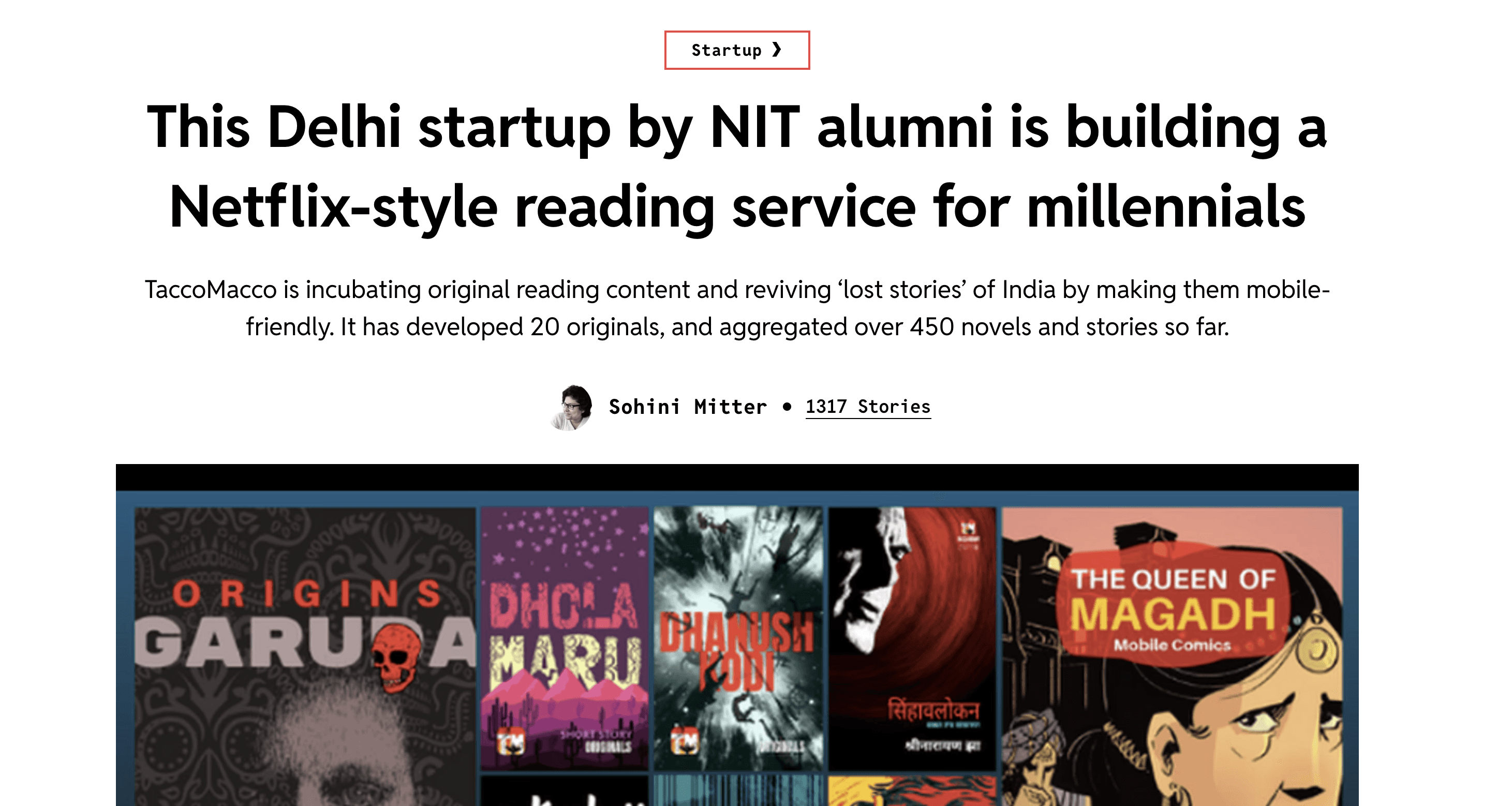
Featured by YOURSTORY
More case studies
Making AI agents easy to build, for anyone
A no-code canvas where non-technical users build, configure, and deploy AI agents.
AI Agents · No-Code
Nagent AI
When more data slows decisions
AI-powered distress detection for school counselors – cutting case review time by 60%.
AI · Edtech · Counselor Dashboard
Palo AI